I build things you can’t help but touch
Chasing that feel pulled me into every gap the product hit: design, UX, accessibility, even the soldering iron.
How I work
Fifteen years across healthcare and 500+ projects shipped as sole dev, here’s the method at work:
Users are players
When I picture someone using my work, I picture a player. They arrive with feelings, motivations and better things to do.
Dry text and clumsy interactions push them away.
Snappy, playful interfaces pull them in.
Sometimes I add friction,
because a pause that helps you think,
belongs in the design too.Motion has to mean something
I fell for web animation early. Early enough to build a view transitions library seven years before browsers shipped their own.
The bigger lesson came later: Now I know exactly why an animation exists, what it tells the eye, and when to cut it. We read motion, we don’t just watch it. Motion should never make you wait.
The details are the experience
Pharma made this non-negotiable: copy and design get locked by medical and legal review before development begins, so all the craft ends up in what a screenshot can’t show.
This applies to any product: Hitboxes sized for a thumb and graceful near-misses. Visual, auditory and kinetic feedback for every state, from intermediate states like hover to the final confirmation or rejection.
Good accessibility is good UX. Take care of it from day one and it’ll pay off.
A wide gap separates “it works” from “it just works”, and it lives in details like these.
Build for the real world
My conference apps toured the world for years. Stand crews flew them between countries and rebuilt them on site, running custom electronics I soldered myself. I’m proudest of the disasters that never happened. Fallbacks, connectors and clear documentation remove the fragile parts before opening day.
In reality, you will always have to deal with errors and unexpected situations, so design to survive.
Be a pioneer
I reach for new tech early, but on my own terms, learning it deeply before it touches anything real.
Microcontrollers sat on my kitchen table a year before they reached client work, so I could be confident on how I can make use of them and how fragile they can be.
My time in VR and AR taught me what each is for: VR gives you a place, one of the oldest tricks of the mind is that it is incredible at remembering places, so anchor them with memories to make the most out of VR.
Today I use LLMs and Claude Code. It can make you prolific or unblock your progress, however it devours critical thinking; Striking a balance is key. Generating code is cheap but reading code still takes time, so what you do is build up the ladder of abstraction: generate code that helps validate and/or another level above. This is how you scale your development work into an agentic world.
It’s important to adapt to tech, but understand yourself to know how it affects yourself and others.
Pull up a chair
I learned visual design by sitting with designers. Picked up branding strategy from a creative director’s lunchtime talks, writing from medical copywriters, and electronics from a soldering iron on my kitchen table. Each discipline makes you a better neighbour to the people who master it.
That same habit shapes how I work with a team: share what you find, explain the why instead of handing over an answer, and argue for the user.
Instrument it all
Don’t just look at numbers, find the insights: Gesture heatmaps, session replays, footfall mapped to conference schedules, etc.
That data helped win a PM Society Gold.
We felt that they did a brilliant job of really using the digital elements to really engage the audience. Everything had a purpose and it was great to see they really nailed their objectives and had the analytics to back that up
— PM Society Digital Awards
What that looks like
Two videogames, shipped to pharma
I shipped a Pac-Man-style educational game with real arcade controls wired through microcontrollers, then a noir investigation on a rare disease that casts the player as the nephrologist detective. Made both for a multinational pharmaceutical client. Serious industries don’t have to feel serious.
Hardware that toured for years
I built congress experiences where Electron apps talk to eachother or over USB to microcontroller-driven LED rigs and I instrumented all of it. Built-in validation tools and configurability meant reliable and easy to use software for the technicians downstream.
BeeThere
An office side project that put live calendar data on iPads outside every meeting room. Ran for seven years, survived two acquisitions, and grew from a monolith into microservices with its own published crash recovery module.
Choreography (2015)
I wrote my own take on view transitions with native web APIs, seven years before browsers shipped theirs. The web caught up. I enjoyed being early.
A flagship medical knowledge hub for a pharma alliance
I rebuilt the app from ~1,400 source files down to 90, owned the CMS, data migration, test automation and the screenshot tooling, end to end, over multiple years.
The factory, not just the products
I built in-house platforms that a whole agency ran on for a decade: eDetail frameworks, an email programme, website generators, tooling for every developer, and published npm modules.
dsp-ratios.com
a calculator with a loyal following for factory-building game Dyson Sphere Program. Localised it into five languages and reverse-engineered the game data to drive it.
slua.dev
I run modern developer docs for Second Life’s new scripting language. The community wiki there taught me to program twenty years ago. This is me giving back.
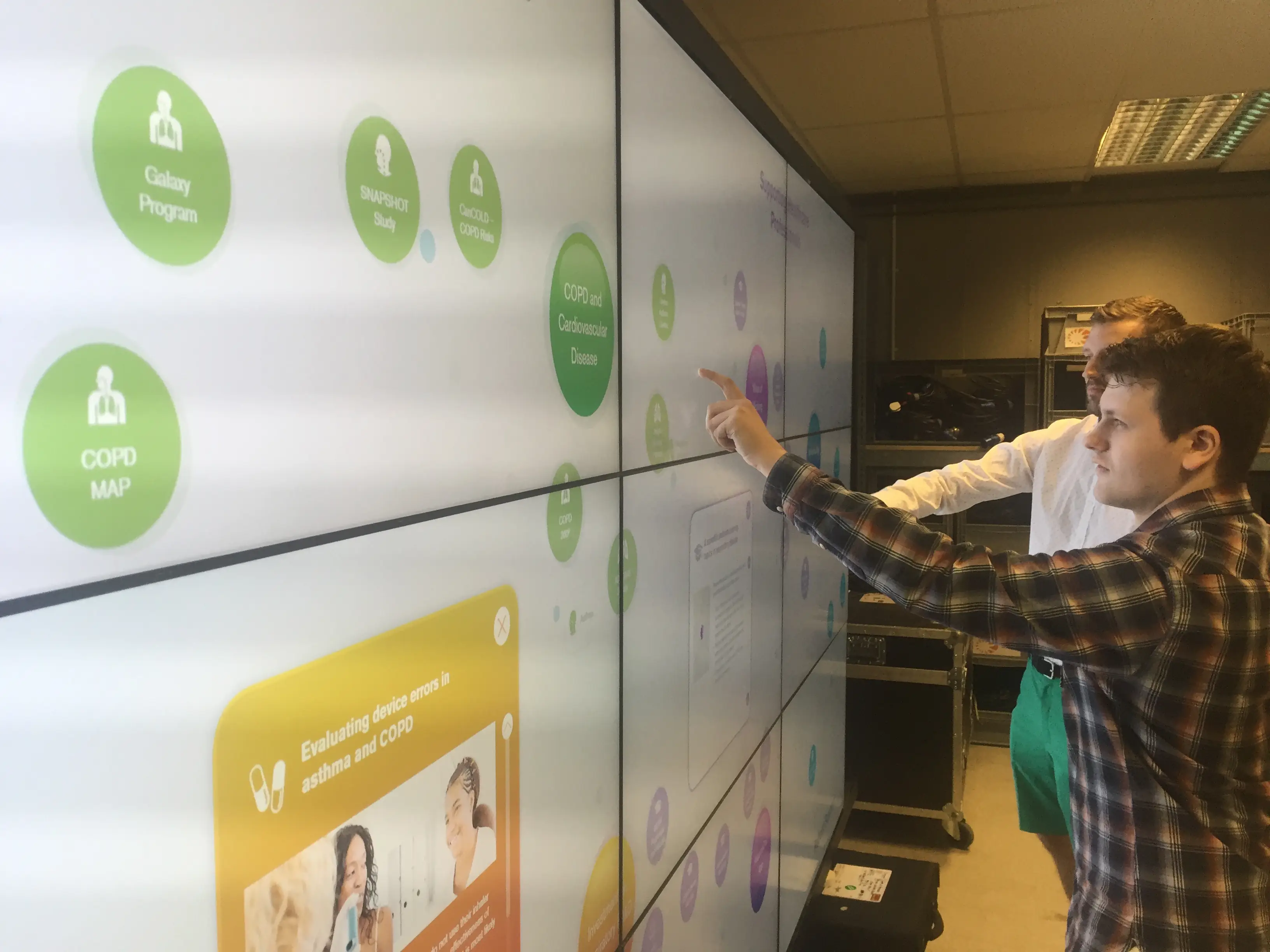
Martin Pitt
Born in Birmingham, raised in north Germany, a teenager in Devon, and a Londoner since twenty.
Somewhere along that route I picked up a second name: online I’ve been Nexii for twenty years, ever since Second Life taught me to code for grocery money, and I never really left. The accessibility I push for at work starts with the accessibility I use myself with ADHD and auditory dyslexia.
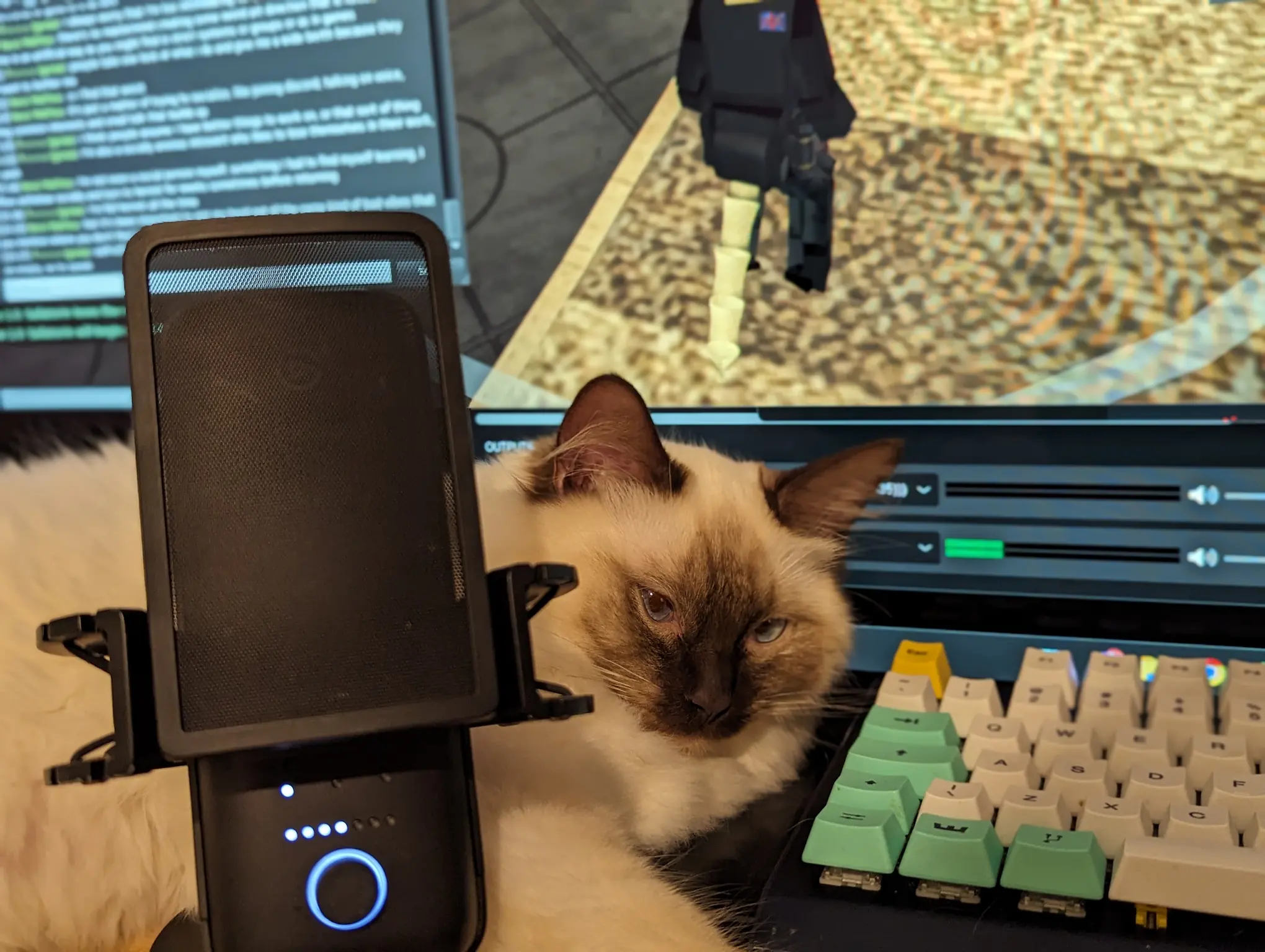
Evenings are for voice chat with friends, factory sims, and lurking in web dev Discords. I’ve curated a collection of quotes over fifteen years that made me who I am. And photographed my family’s ragdoll cats for nearly as long. One day I’ll have a cat of my own to look after.
Say hello
Open to Product Engineer roles right now, agencies and product teams that care about the end product as much as I do.
If you’re hiring, say hello. If you just want to talk about the web or motion, say hello anyway.
Need a copy of my CV? Let me know and I’ll email it over.